Laminate vs Wood Flooring: The Top 6 Main Differences

Choosing the right flooring for your home or business can be a daunting task, especially with so many options available. Two popular choices are laminate and wood flooring, each offering distinct advantages and considerations. In this blog, we’ll explore the top six differences between laminate and wood flooring, covering cost, durability, maintenance, appearance, and installation, so you can make an informed decision that suits your needs and budget.
What is Laminate Flooring?
Laminate flooring is a synthetic product composed of multiple layers designed to replicate the appearance of natural materials like wood or stone. Here’s a breakdown of its components:
- Wear Layer: The topmost layer is a transparent, protective surface that guards against scratches, stains, and fading. This layer ensures the durability and longevity of the laminate flooring.
- Design Layer: Beneath the wear layer is the design layer, which features a high-resolution printed image that simulates the look of natural materials. This layer is responsible for the floor’s aesthetic appearance.
- Core Layer: The core layer is made from high-density fibreboard (HDF) or medium-density fibreboard (MDF). This layer provides structural stability and strength, ensuring the floor can support heavy loads without warping.
- Backing Layer: The bottom layer is a melamine backing that adds additional stability and moisture resistance. It helps prevent the laminate from warping and ensures it lies flat.
What is Engineered Wood Flooring?
Engineered wood flooring is a versatile and popular alternative to solid wood flooring. It consists of multiple layers of wood bonded together, with a top layer of real hardwood veneer and a core made of plywood or high-density fibreboard (HDF). This construction makes engineered wood more stable and resistant to changes in temperature and humidity compared to solid wood.
Solid Wood Flooring: Solid wood flooring is made from a single piece of hardwood, typically 18-20 mm thick. Each plank is milled from a single piece of wood, which can be sanded and refinished multiple times over its lifespan. Solid wood flooring offers a timeless aesthetic but can be more susceptible to expansion and contraction due to changes in humidity.
Engineered Wood Flooring: Engineered wood flooring, with its layered construction, offers enhanced stability and can be installed in a variety of environments, including basements and over concrete subfloors. The top layer of real wood provides the same natural beauty and warmth as solid wood, but with added resilience.
For more detailed information, visit our Engineered Wood Flooring FAQ.
The Differences
1. Cost
Laminate Flooring: Laminate flooring is generally more budget-friendly than wood flooring. Prices for laminate can range from £10 to £30 per square metre, making it an attractive choice for those looking to renovate on a budget. The cost-effectiveness of laminate is due to the materials used and the manufacturing process, which are less expensive than those for genuine wood.
Wood Flooring: Wood flooring, in contrast, is more expensive upfront. Prices typically range from £40 to £100 per square metre, depending on the type of wood and finish. High-quality hardwoods or different varieties can push costs even higher. This price difference reflects the natural materials and craftsmanship involved in producing and installing real wood floors, however it is the more cost-effective option in the long-term due to its longevity.
2. Durability
Laminate Flooring: Laminate flooring is known for its robust durability. It features a tough wear layer that resists scratches, stains, and fading, making it ideal for high-traffic areas and homes with pets or children. However, laminate can be vulnerable to moisture damage if not properly maintained, as excessive water can cause the material to warp or swell.
Wood Flooring: Engineered and hardwood flooring is durable but require more care to maintain its condition. While wood can withstand considerable wear and tear, it is more prone to scratches and dents compared to laminate. However, one of wood’s standout features is its ability to be sanded and refinished multiple times to restore its original beauty, making it a long-term investment.
3. Maintenance
Laminate Flooring: Maintaining laminate flooring is relatively straightforward. Regular sweeping or vacuuming, combined with occasional damp mopping, is usually sufficient to keep it clean. It’s essential to avoid excessive water and harsh chemicals, as these can damage the surface. Overall, laminate requires less upkeep compared to wood flooring.
Wood Flooring: Wood flooring demands more meticulous maintenance. It should be swept or vacuumed regularly to remove dirt and debris, which can cause scratches if left unchecked. Mopping should be done with a damp cloth, not a soaking wet one, to avoid water damage. It’s also advisable to use specialist wood cleaning products that are pH-neutral and avoid harsh chemicals. Additionally, place protective pads under furniture legs to prevent scratching and use mats in high-traffic areas to reduce wear. We also recommend periodic refinishing to keep the wood looking its best over the years.
4. Appearance
Laminate Flooring: Laminate flooring can effectively mimic the appearance of wood, stone, or tile due to advanced printing technologies. It is available in a wide range of styles and finishes, providing versatility in design. However, while laminate can convincingly replicate the look of natural materials, it may lack the authentic texture and depth of real wood.
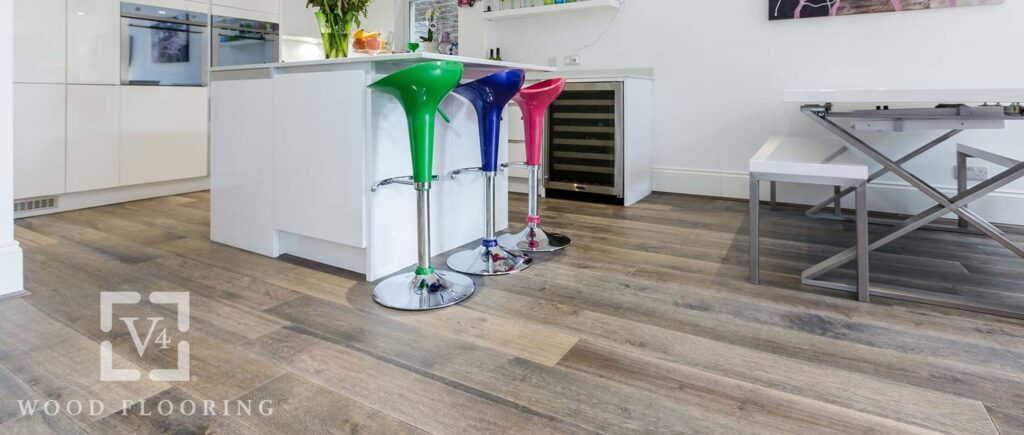
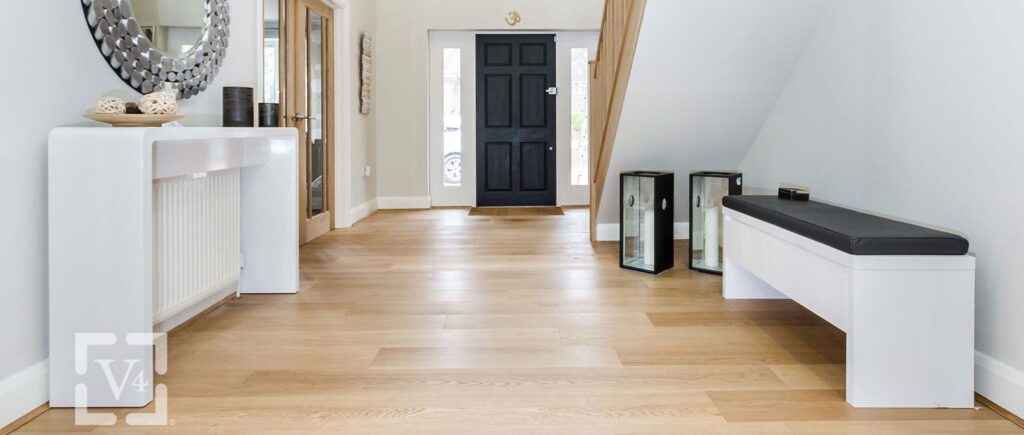
Wood Flooring: Wood flooring offers unparalleled natural beauty and character. Each piece of wood has unique grain patterns and colour variations that add warmth and sophistication to any space. Over time, wood develops a rich patina, enhancing its aesthetic appeal and ensuring that no two wood floors are exactly alike.
5. Installation
Laminate Flooring: Laminate flooring is designed for easy installation, often featuring a click-lock system that allows the planks to snap together without the need for nails or glue. This makes it a popular choice for DIY projects. Laminate can be installed over various subfloors, including concrete, vinyl, and plywood, making it a flexible option for different environments.
Wood Flooring: Installing wood flooring is more complex and typically requires professional expertise. The planks need to be nailed or glued to a subfloor, which can be time-consuming and requires careful attention to detail. Additionally, wood flooring must acclimate to the room’s humidity before installation to prevent future warping or buckling.
6. Longevity
Laminate Flooring: Laminate flooring has a life expectancy of 10 to 20 years, depending on the quality of the product and the level of foot traffic it endures. While it is designed to be durable, laminate cannot be refinished, so once it wears out or gets damaged, it will need to be replaced.
Wood Flooring: Wood flooring, particularly engineered wood, boasts a significantly longer life expectancy, ranging from 20 to 100 years. Solid wood flooring can last even longer, especially with proper maintenance and care. The ability to sand and refinish wood flooring multiple times allows it to maintain its beauty and functionality for generations. This makes wood flooring a more sustainable and long-term investment compared to laminate.
Transform Your Space with Absolute Flooring
For more detailed information about our engineered wood flooring options, visit our wood flooring page. Understanding these key differences will help you make a decision that best suits your style, needs, and budget, ensuring you enjoy your flooring for years to come.
Contact us for a free quote and explore our stunning options with expert advice today!
